Abstract
Open source foundations didn’t emerge by accident — they emerged by necessity. When the earliest open source projects needed legal protection, neutral governance, and a way for competitors to collaborate without ceding control to any single player, foundations became the answer. From Apache and Linux to Eclipse and beyond, they quietly became the institutional backbone of modern technology. This talk traces that history and follows it forward through every major technology transition — cloud, mobile, AI — showing how foundations have consistently provided the neutral ground where industry, developers, and researchers could build shared infrastructure together.
Today, as artificial intelligence raises urgent questions about safety, fairness, and access, foundations are once again at the center of the conversation. And universities have a unique and underutilized role to play, contributing not just research and talent, but the long-horizon, public-interest perspective that this moment demands. Join Nithya Ruff for a conversation about what open collaboration has built, what it can build next, and how universities can become more intentional participants in the foundations shaping the future of AI.
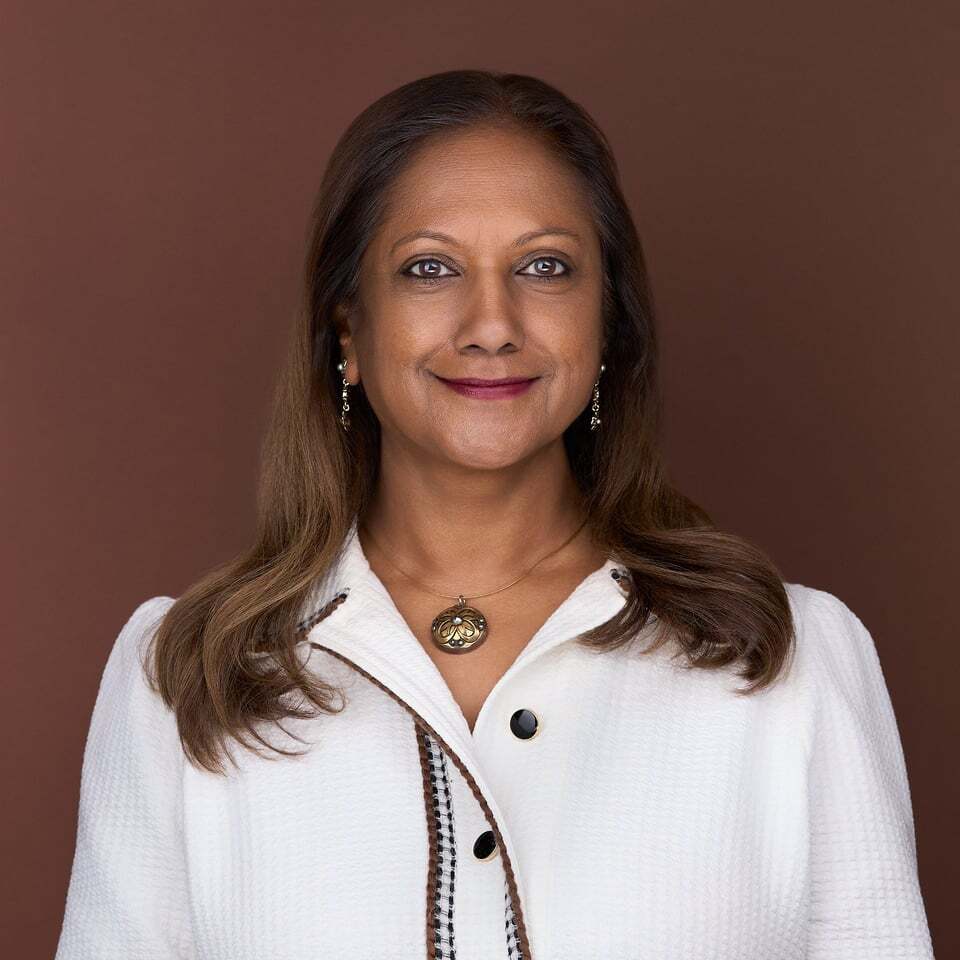
Nithya Ruff | Linux Foundation
Nithya Ruff is a globally recognized open source leader and Chair of the Linux Foundation Board, with 25+ years of experience shaping how organizations harness collaborative technology. As a pioneer of Open Source Program Offices at companies including Amazon, Comcast, and SanDisk, she built the frameworks that help enterprises contribute to and govern open source at scale — work that maps directly to today’s most pressing AI challenges. Now, Nithya brings that same lens to AI governance, compliance, and responsible AI. She understands that the principles that made open source trustworthy — transparency, community accountability, and clear licensing — are exactly what AI ecosystems need as they mature. Her work helps organizations move from AI experimentation to responsible deployment, navigating policy, risk, and ethics with the same strategic clarity she brought to open source.