Abstract
This presentation will introduce the California Institute for Regenerative Medicine’s Data Sharing and Management Plan (DSMP), implemented in 2023 as a required step for CIRM grantees. This comprehensive process encourages grantees to plan for data sharing as an essential part of their project from the beginning—depositing data in publicly-accessible repositories, sharing data analysis pipelines, and adhering to relevant data standards are all expected practices that are included in every scientific progress report over the course of the award. CIRM asks awardees to name a Data Project Manager for each experiment, ensuring that data management is not an afterthought and providing dedicated funding for this purpose. This initiative has included the creation of a public metadata catalog called the CIRM Data Explorer, which allows researchers to discover CIRM-funded datasets that have been deposited in public repositories. The R&D Data Infrastructure team at CIRM is committed to constantly improving the DSMP process by maintaining clear expectations and working with grantees and community members to understand roadblocks to sharing their data and code. This presentation will invite the audience to discuss best practices for supporting and incentivizing data sharing across disciplines with the goal of promoting knowledge sharing within the open source community from a variety of perspectives.
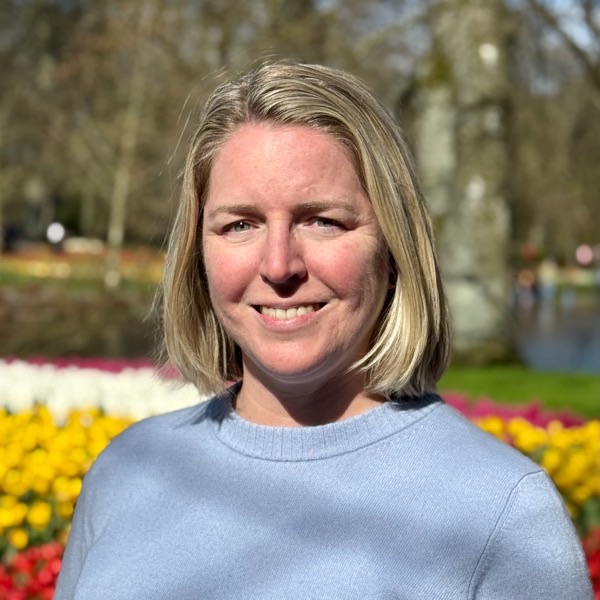
Alden Conner | California Institute for Regenerative Medicine
Alden Conner is a Science Officer in the R&D Data Infrastructure team at the California Institute for Regenerative Medicine. Before joining CIRM in 2026, she was a Research Application Manager at the UK’s Alan Turing Institute, where she worked with a range of research teams in AI and data science to drive adoption of open-source best practices and promote accessibility and collaboration. She has also contributed to open science projects at CZI, where she enabled the sharing of resources and protocols within a grantee network, and Seanome, where she supported the development of open-source computational biology tools.